
Then Jesus said to His disciples, “If anyone wants to come after Me, he must deny himself, take up his cross, and follow Me. For whoever wants to save his life will lose it; but whoever loses his life for My sake will find it.”
Matthew 16:24-25 (NASB)
What God has promised his children are glorious. Among them are health, wholeness and abundant life. But God has also promised us death. That is, death to what is often called “self.” In fact, death to self is the only path to greatness.
As a general rule, I do not like to die. But in the case of the death Jesus talks about, I will make an exception. Because the death that he has in mind is the death of everything in me that is not me. That is, it is everything in me preventing me from being all that I was created to be. Which is the same as saying: everything preventing me from achieving greatness.
Now when I say “everything in me that is not me,” I need to make a distinction here. In the words of the dating coach played by Will Smith in the 2005 romantic comedy Hitch, “me” is a fluid concept right now. Because the “me” that existed before Christ has died, and the “me” that now exists is a new creation. It is a creation that came to being when Jesus saved me, raising me from the dead to newness of life in him. For this reason, it is the only “me” that really matters. It is who I really am.
And God is in the process of putting to death in us all that is not who we really are.1 Some believers get confused by the fact we have already died to sin. They think that means it is impossible for us to sin, though we obviously can and still do sin. But the book of Romans makes clear we are not dead to sin in this way. Rather, our relationship to sin has fundamentally changed.The Spirit of God which now dwells within us makes it possible for us to overcome sin in every area of our lives. In this sense, we are now dead to sin. And the Christian life is the Spirit of God doing just that: putting to death in us the “misdeeds of the body” and we live “by” (in agreement with) Him.
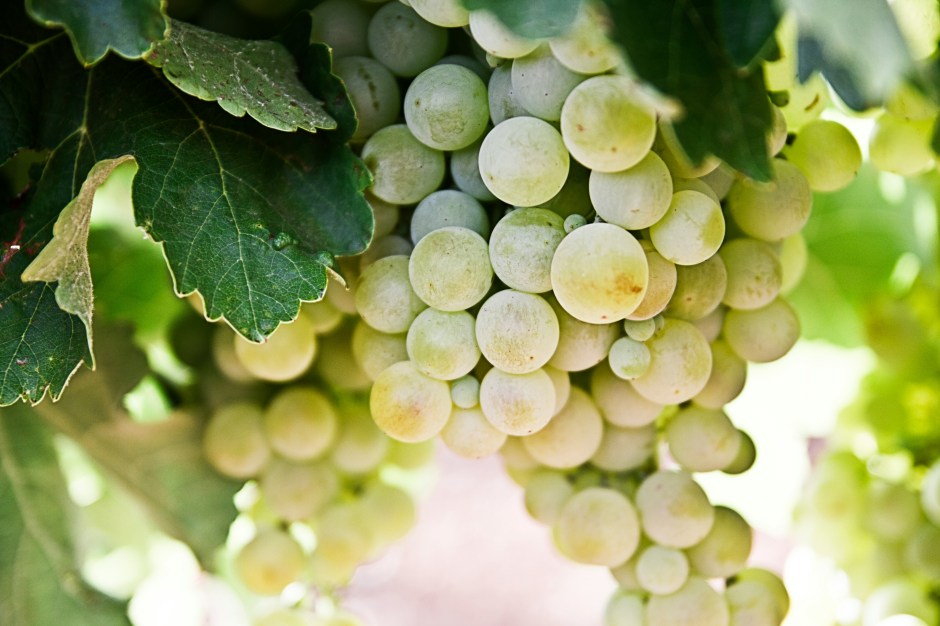
This process is the “losing one’s life” Jesus is talking about. It is also what he is describing when he describes the pruning the Father as our Gardener performs in our lives as believers. Both point to the fact that in order to experience the fullness of life he has for us, something in us must die. In fact, it must die or we will die with it (see Romans 8: 13): we will experience the effects of death the “misdeeds of the flesh” in us produce in our lives (broken relationships, emotional pain, and even physical pain and sickness). But as these places in our lives are removed, we are liberated from the death and experience God’s resurrection power and life. Not only this, but we produce “much fruit”2. That is, we become all we are destined to become. We find ourselves on the path of greatness.
It may be difficult to realize death is the pathway to greatness, but for me it is a source of great hope. It means any area of my life bearing the marks of death are destined to give way to abundant life. My only task – though it may require perseverance – is to yield to God. He will do the rest. And in my experience, he is really good at it.
Photo by Nacho Domínguez Argenta on Unsplash
 D. Patrick Collins
One thought on “The Path to Greatness”